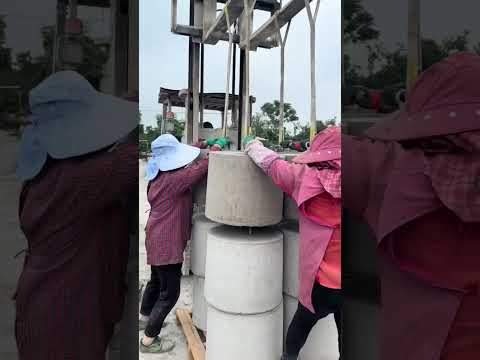
☀️ Solar Power Pole
⚙️ Definition:
A solar power pole is a structure equipped with solar panels that convert sunlight into electricity. These poles are commonly installed in rural roads, parks, parking lots, and residential areas to provide independent lighting or power without relying on the national grid.
⸻
⚡ Main Components:
1. Solar Panel:
• Captures sunlight and converts it into direct current (DC) electricity.
2. Pole (Steel or Aluminum):
• Supports the solar panel, light, and control box; designed to withstand wind and rain.
3. Charge Controller:
• Manages the charging and discharging of the battery, preventing overcharging or deep discharge.
4. Battery:
• Stores the electricity generated during the day for use at night or on cloudy days.
5. LED Light or Electrical Device:
• Uses the stored energy to provide lighting or power for other devices.
⸻
🛠️ How It Works:
• Daytime: The solar panel absorbs sunlight → converts it into electricity → stores it in the battery through the controller.
• Nighttime: The controller automatically powers the LED lights or other devices using the stored energy.
⸻
🌍 Advantages:
✅ Saves electricity and works independently of the power grid.
✅ Fully automatic operation; easy to install and maintain.
✅ Environmentally friendly, reducing CO₂ emissions.
✅ Ideal for remote areas, islands, and off-grid locations.
⸻
⚠️ Installation Tips:
• Choose a location with maximum sunlight exposure, avoiding shaded areas.
• Face the solar panel toward the south (in Vietnam) for optimal energy capture.
• Maintain a tilt angle of 10–15°, depending on geographic location.
• Regularly check the controller and battery to extend system lifespan.
Leave a Reply