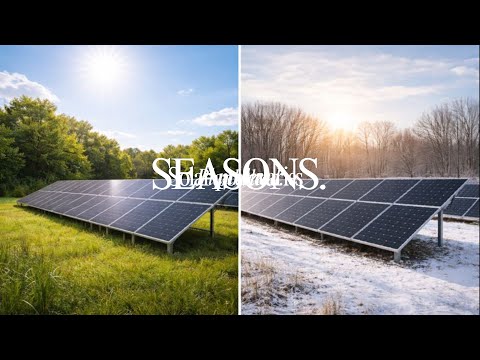
Solar Panel Output in Summer vs Winter: What Really Changes?
Solar energy is often seen as a constant, dependable power source—but in reality, solar panel output changes significantly with the seasons. One of the most common questions people ask is why solar panels produce more electricity in summer than in winter, and whether solar still makes sense year-round.
This video explains the real differences between summer and winter solar energy production, using clear visuals and real-world examples to show how sunlight, temperature, and seasonal conditions affect performance.
Why Solar Panels Produce More Energy in Summer
Summer is typically the most productive season for solar systems. The biggest reason is longer daylight hours. In many regions, summer days provide 15–16 hours of sunlight, giving solar panels more time to generate electricity.
Another key factor is the sun’s position in the sky. During summer, the sun is higher, allowing sunlight to strike panels more directly. This improves energy capture and increases overall production. Summer weather also tends to bring clearer skies, meaning fewer interruptions from clouds.
Why Winter Solar Production Is Lower
In winter, solar panels still work—but they face different conditions. Days are much shorter, often providing only 7–9 hours of daylight. The sun also sits lower on the horizon, which causes sunlight to hit panels at less optimal angles and creates longer shadows.
Cloud cover, rain, and snow further reduce the amount of sunlight reaching the panels. While solar systems can still generate power on cloudy days, output may drop to 10–25% of peak production under heavy cloud cover.
Do Solar Panels Work Better in Cold Weather?
A common misconception is that solar panels need heat to work. In fact, solar panels are more efficient in cooler temperatures. Excessive heat can reduce electrical efficiency, while cold conditions help panels operate closer to optimal voltage levels.
However, improved efficiency in winter does not offset the reduced sunlight hours. That’s why total energy production is still lower during colder months.
Managing Solar Energy Across Seasons
Most solar systems generate about 65% of their annual energy between spring and early fall, with the remaining 35% produced in fall and winter. This seasonal balance is normal and expected.
Homeowners and businesses often manage these changes by using:
Energy storage systems
Net metering programs
Smart energy monitoring
Energy-efficient building designs
These strategies help maintain energy stability throughout the year.
Final Takeaway
Solar panels don’t stop working in winter—they simply operate under different conditions. Summer delivers higher production due to longer days and better sun angles, while winter brings reduced output from shorter daylight and weather patterns.
Understanding these seasonal differences helps set realistic expectations and ensures solar systems are designed for long-term reliability.
Solar energy works year-round—when it’s planned and managed correctly.
Leave a Reply